Choosing solar for your home is exciting, but not every roof is equally suitable. In India, many households are exploring balcony solar kits because they can be installed faster, are easier to maintain, and work even when rooftop space is limited. This guide compares balcony solar with rooftop solar so you can decide what fits your home, budget, and lifestyle.
1) Space and installation flexibility
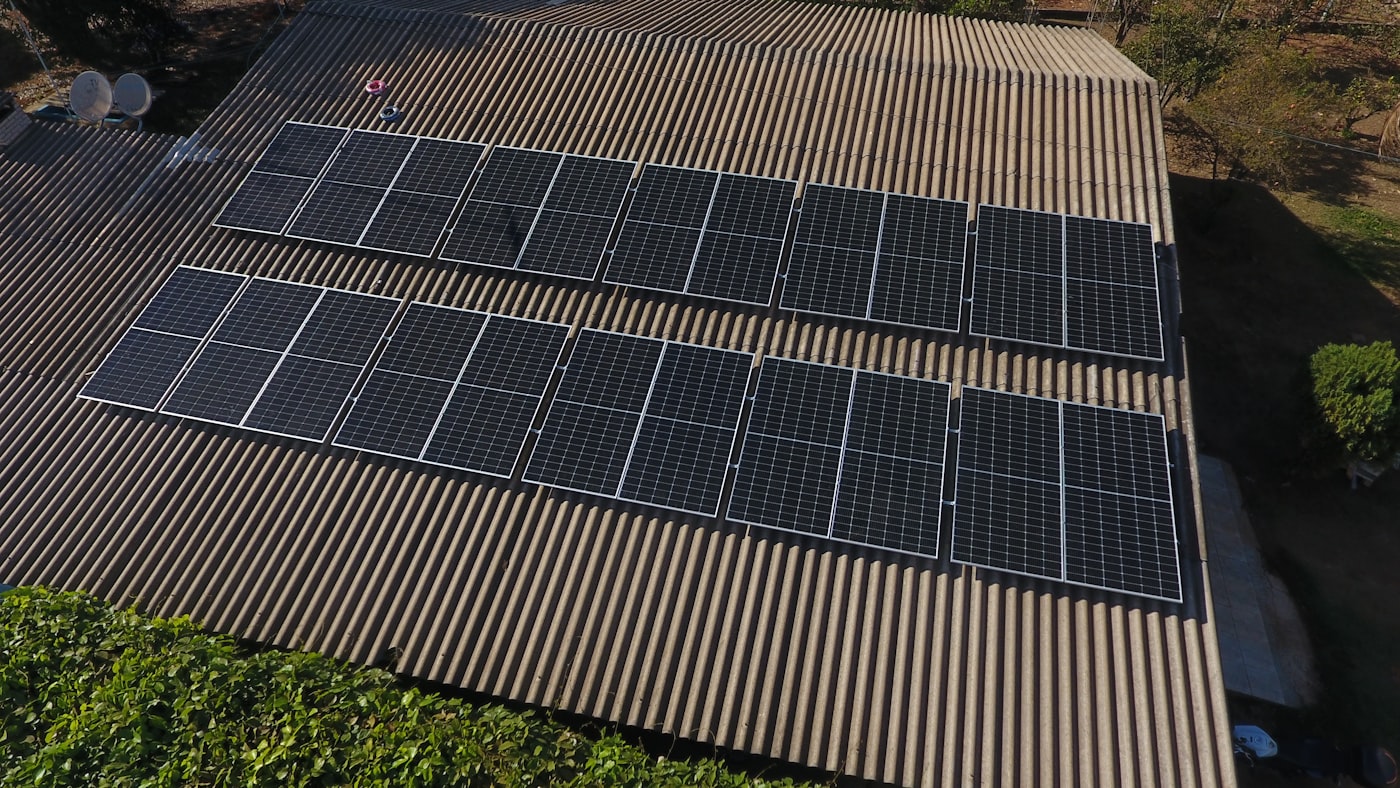
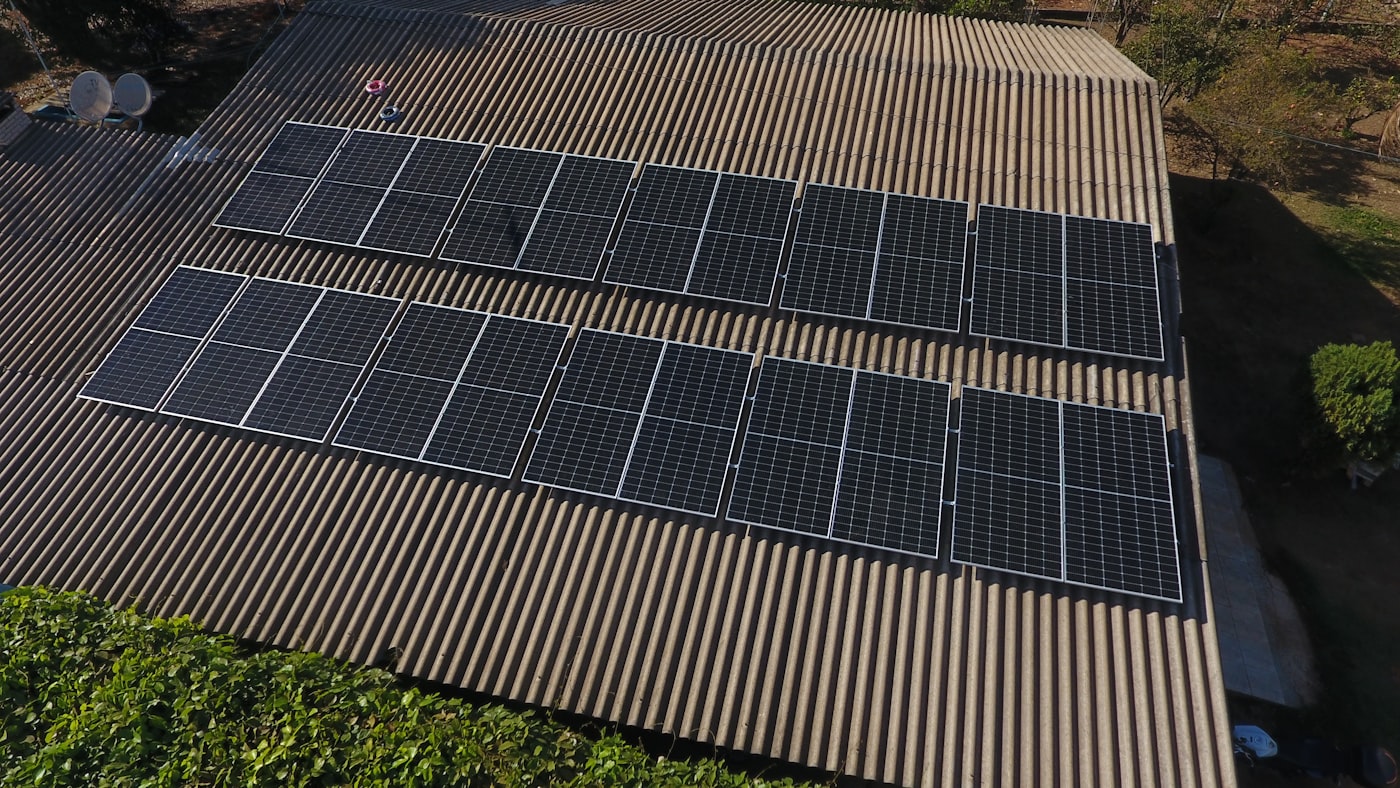
Rooftop solar is the traditional option: you mount panels on available roof area and connect them to an inverter and battery (if used). Balcony solar, on the other hand, uses mounting structures designed for balcony rails/walls or designated balcony spaces—making it easier for homes with constrained roof access.
When balcony solar tends to win
Renters or leased homes: If you’re allowed to install within your leased space, balcony setups can be more feasible than roof work.
Limited roof area: If your roof is small or already fully used (for water tanks, chimneys, or other utilities), balcony solar can add capacity without crowding the roof.
Complex roof access: Buildings with restricted rooftop entry or safety procedures may make rooftop installation slower.
Shading issues: If your roof gets partial shade from nearby buildings, balconies can sometimes offer a better sun-facing angle.
When rooftop solar remains ideal
Maximum power needs: Roofs usually provide more continuous panel area for higher capacity.
Long-term ownership: If you own the property and plan to stay for many years, rooftop solar can be a long-lasting solution.
Better structural integration: A well-engineered rooftop mounting can support larger solar arrays with fewer constraints.
2) Suitability for renters, society rules, and practical permissions
In apartments, permission can be the biggest deciding factor. Rooftop solar often requires society-level approval because it involves structural mounting on common areas and roof access. Balcony solar typically stays within your private area, but the final requirement depends on your building’s policies.
Tip: Before choosing, check for:
Written permission process (if any) for balcony installations
Whether drilling is allowed, or if non-drill mounting is required
Safety norms for wiring routes and panel placement
Maintenance access for cleaning and inspection
Good decision-making is about compliance first. The best system is the one you can install and operate smoothly within your building rules.
3) Sun exposure and performance: what matters more than location
Solar performance depends on how much sunlight your panels receive. Balcony solar can perform well when panels face the right direction and are not blocked by nearby structures. Rooftop solar can also be excellent, but rooftop shading is common in dense Indian cities.
Key factors to compare
Orientation and tilt: Both balcony and rooftop panels need appropriate tilt and facing for your latitude.
Shading from buildings: Even a small shade patch for part of the day can reduce output.
Obstructions: Roof antennas, water tanks, and chimneys can affect rooftop arrays more than you expect.
Airflow and heat: Panels generally perform better when they can dissipate heat; proper spacing and clean surfaces help.
In practical terms, a balcony system may have a smaller maximum capacity than a rooftop system, but it can still cover a meaningful portion of your daily usage if placed well. Many households aim to reduce grid dependence rather than fully eliminate it on day one.
4) Capacity and energy output: planning for your daily usage
Rooftop solar typically supports larger installations because roof area is usually bigger. Balcony solar kits are often sized for the space available—meaning your total kW capacity may be lower, but the setup can still be efficient for targeted savings.
How to estimate what you need
Check your electricity bill: Look at monthly units (kWh). If you have 200–400 units/month, even a modest solar setup can offset a noticeable share.
Identify peak usage: If your usage spikes in the afternoon (fans, geyser, microwave, cooking), solar generation timing becomes important.
Decide on battery or no battery: Without a battery, you offset daytime consumption. With a battery, you can store some energy for evenings.
As a rough planning approach, many homes consider solar in steps—starting with a smaller capacity and expanding later if space and finances allow. Balcony solar is well-suited to this “start small, learn quickly” strategy.
5) Battery integration and backup power: evening comfort
Both balcony and rooftop systems can be paired with lithium batteries and hybrid inverters, depending on your requirement. The difference is usually not the technology—it’s the design and space available for mounting components.
When batteries matter most
Frequent power cuts: A battery-backed system can keep essential loads running.
Higher evening usage: If you run lights, fans, router, fridge, and TV after sunset, storage improves self-consumption.
Better load shifting: Hybrid setups can use solar energy during the day and reduce reliance on the grid at night.
For many Indian homes, a sensible plan is to size solar for daytime needs and use batteries to cover a portion of evening demand. This improves the value of your investment without oversizing everything from day one.
6) Maintenance, cleaning, and safety
Maintenance is often easier to manage with balcony solar because you can access the panels more directly. Rooftop maintenance can still be straightforward, but it may require more scheduling and safety precautions due to height and roof access.
Common maintenance tasks
Cleaning: Dust reduces output. In many cities, periodic cleaning helps maintain performance.
Inspection: Check wiring routes, connectors, and mounting integrity.
Monitoring: Use system monitoring (if available) to catch issues early.
Safety is crucial for both options. Balcony installations must consider wind loads, proper mounting, and secure cable routing. Rooftop installations must ensure structural strength and safe access for technicians.
7) Cost and payback: how to think about ROI without guesswork
It’s tempting to compare “balcony vs rooftop” purely on price, but the better way is to compare value based on your constraints. Rooftop solar may deliver higher capacity per installation because roof area is larger. Balcony solar may cost less to enable (especially where permissions or roof access are difficult) and can still provide strong savings if it offsets a significant portion of your bill.
ROI factors to evaluate
Installed capacity (kW): Bigger arrays generally produce more energy.
Self-consumption percentage: Using solar energy directly is typically more beneficial than exporting.
Battery inclusion: Batteries can improve evening usage but increase upfront investment.
Electricity tariff and usage pattern: Higher monthly bills and afternoon/evening loads tend to improve returns.
If you’re aiming for savings, start with a clear baseline: average monthly units and your likely solar offset. Even without exact numbers, you’ll be able to judge whether a balcony system will meaningfully reduce grid purchases.
Which should you choose? A practical decision checklist
Use this checklist to match the system to your home:
Choose balcony solar if: you’re a renter (where allowed), roof space is insufficient, roof access is restricted, or you have better sun exposure on the balcony.
Choose rooftop solar if: you want maximum capacity, you have long-term plans to stay, and your roof is structurally suitable and mostly unshaded.
Consider hybrid + battery if you want backup for essential loads and better evening comfort.
The best solar choice is the one that matches your sunlight, your permissions, and your daily energy habits—not just the technology name.
If you tell us your city, approximate monthly units, and whether you need backup power, we can help you think through a realistic system size and whether balcony or rooftop makes more sense for your situation.