If you live in an apartment, you may still be able to reduce your electricity bills with balcony solar. The idea is simple: install compact solar panels on your balcony, convert sunlight into usable power, and use it for your daily loads—without needing a large rooftop.
1) What a balcony solar system includes
A typical balcony solar setup is designed for smaller areas, so every component is chosen to be compact and safe. While exact configurations vary by household, the core parts work together like this:
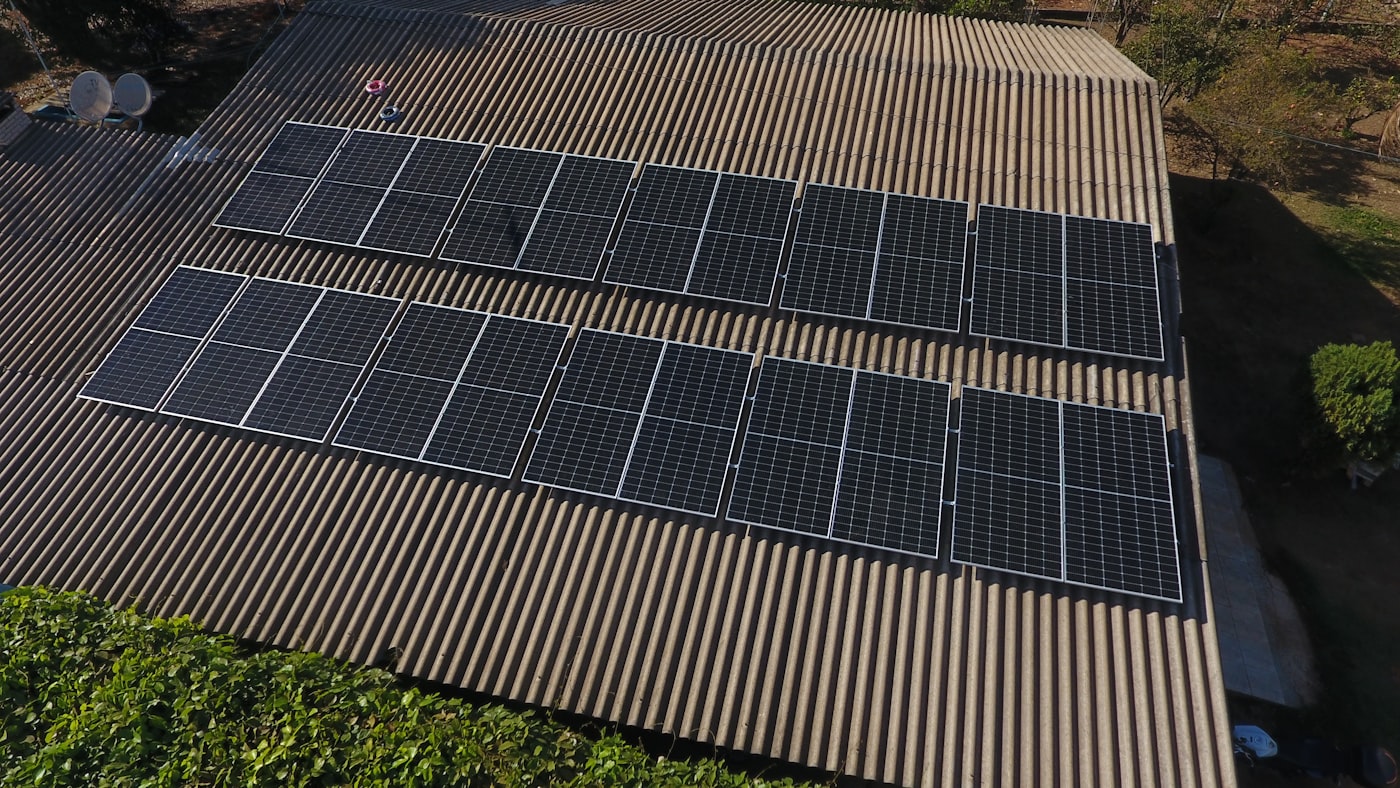
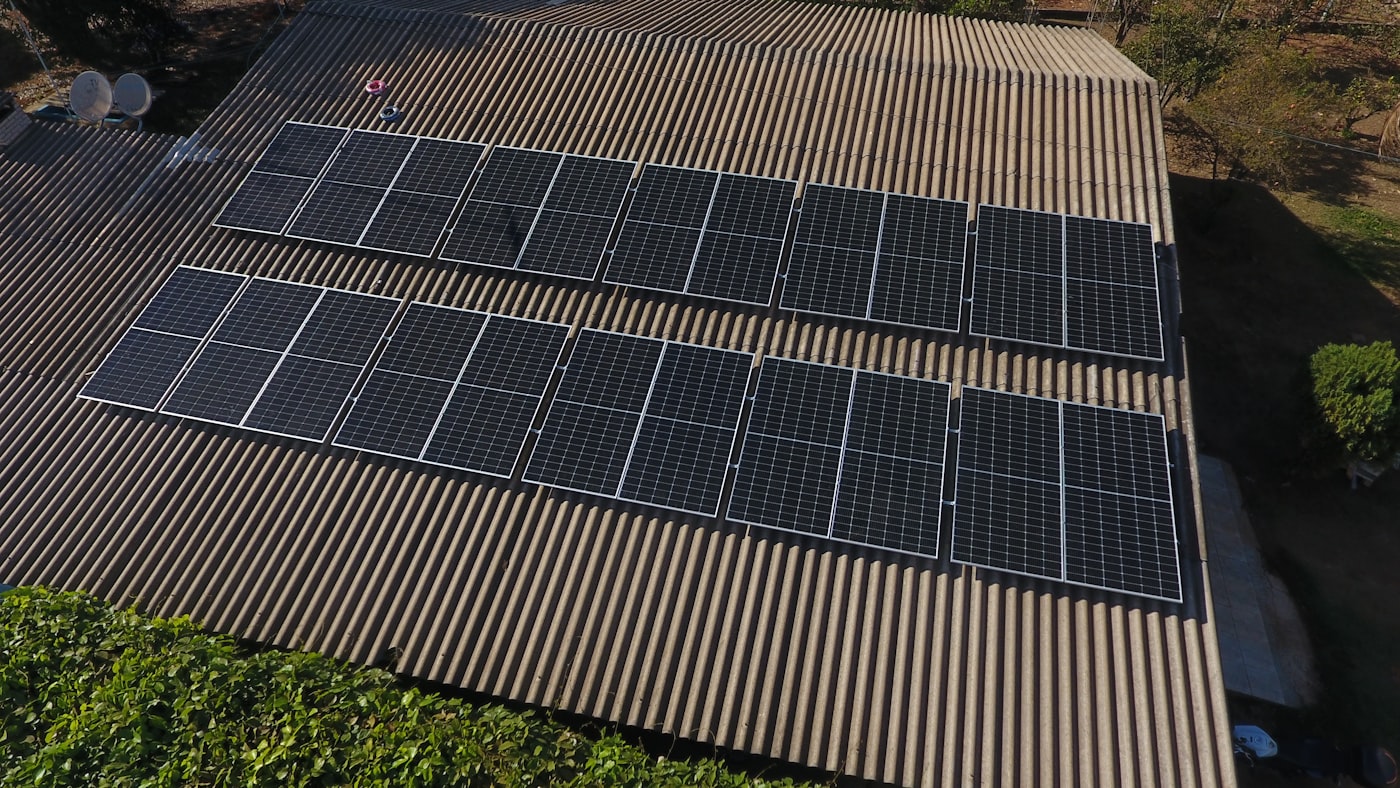
Solar panels: These capture sunlight and produce DC (direct current) electricity.
Hybrid or solar inverter: Converts DC power into AC (alternating current) that your home appliances use.
Mounting structure: A balcony-friendly frame that keeps panels stable and optimally angled.
Wiring and protection: Safe cables, isolators, and protection devices to handle current and ensure safety.
Metering/monitoring (optional): Helps you track generation and consumption.
Lithium battery (optional): Stores excess energy so you can use solar power after sunset.
2) How solar power is generated on a balcony
Solar panels generate electricity when sunlight hits their cells. On a balcony, the goal is to expose panels to as much useful sunlight as possible. Even with limited space, the system can still produce meaningful energy if you plan placement well.
In most Indian cities, a well-placed balcony setup can generate electricity primarily during daytime. The exact units vary based on:
Sunlight hours in your location
Panel tilt/angle and shading from nearby buildings
Season (summer vs monsoon)
How many panels you can fit
Practical expectation: Many households start with a small capacity and scale later. You don’t need to “overbuild” on day one—start with what your balcony can reliably support and expand if generation looks good.
3) What happens to the electricity you generate
Once panels produce DC electricity, it flows into the inverter. Then you have two possible ways the energy can be used:
Option A: Solar powers your home directly (daytime)
During the day, your inverter can feed solar power to your appliances. If your solar generation is higher than what you are using, the extra energy can be handled depending on your system design.
Option B: Excess energy can be stored (with a battery)
If you add a lithium battery, excess solar energy can be stored as electricity (measured in kWh) for later use. This is especially helpful for evening loads like:
Lights and fans
TV, router, and other electronics
Refrigerator and essential appliances
Charging needs (as per your household usage)
Why lithium batteries? In balcony-sized systems, space is limited. Lithium batteries are compact and generally suitable for daily cycling, making them a practical choice when you want solar to support more of your day-to-evening needs.
4) How small-area mounting and placement works
Balcony solar is all about smart placement. Instead of trying to cover the entire roof area, you focus on the portion that gets consistent sunlight.
Mounting style: Balcony frames are designed to be stable and safe, keeping panels secured against wind loads.
Space planning: Panels are arranged to minimize shading and maximize usable surface.
Access and maintenance: A good design allows cleaning and inspection without complex dismantling.
Safety considerations: Proper cable routing, safe isolation points, and protection devices are essential.
Key tip: If your balcony is partially shaded, don’t assume “some generation” is enough. Shading can reduce output significantly. A quick site assessment for sun exposure is one of the most valuable steps before choosing panel size.
5) Sizing your balcony solar for real household needs
Balcony systems are typically sized to match your daily consumption pattern. The most important concept is energy, not just panel size. Solar output is measured in kW (capacity), while your usage is measured in kWh (units).
Here’s a simple way to think about it:
Look at your electricity bill: Identify your monthly units (kWh).
Decide what you want to offset: A portion of daytime usage only, or daytime plus evening with a battery.
Choose capacity that fits your balcony: More panels generally mean more generation, but space and shading set limits.
Even a modest system can reduce grid dependence. For example, if you offset a meaningful fraction of your daily consumption, the savings can be noticeable over the year—especially as electricity tariffs rise.
6) What you can expect from performance in India
Balcony solar performance depends on weather and shading, but the technology is mature and reliable when installed correctly. In many Indian conditions, solar generation is strongest on clear days and drops during monsoon or heavy cloud cover.
To make the system effective:
Keep panels clean: Dust accumulation reduces output.
Ensure correct orientation: Align panels to maximize sunlight exposure for your location.
Use monitoring: If you can, track generation to spot issues early.
Plan for battery (if needed): If your goal is evening backup, battery sizing matters.
Rule of thumb: A well-designed balcony solar setup focuses on consistent sunlight rather than maximum panel count.
7) Is balcony solar worth it for you?
Balcony solar can be a smart fit if you want a practical way to start solar without rooftop ownership or large space. It’s especially useful for renters and apartment dwellers who can install within the building’s rules—though permissions and structural checks may be required.
Consider it if you:
Have a balcony that gets direct sunlight for a good part of the day
Want to cut electricity bills using daytime solar
Prefer a scalable setup that can be expanded later
Need a compact solution with optional battery storage
Before you commit, do a site walkthrough for shading, panel placement, and safe mounting. A clear understanding of your usage pattern and the system configuration will help you set realistic expectations.
Balcony solar is not about “one-size-fits-all.” It’s about designing a small, efficient system that matches your space and your lifestyle. With the right planning, even limited balconies can become a meaningful source of clean power.